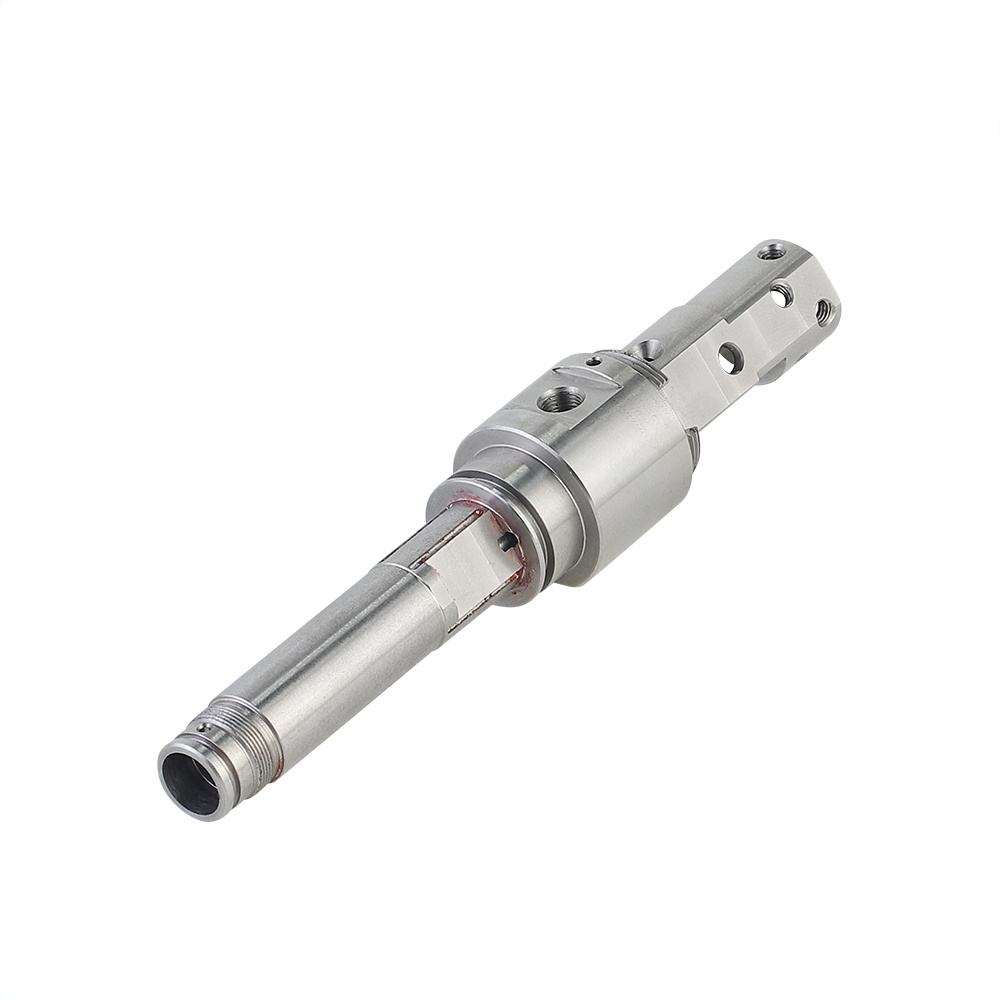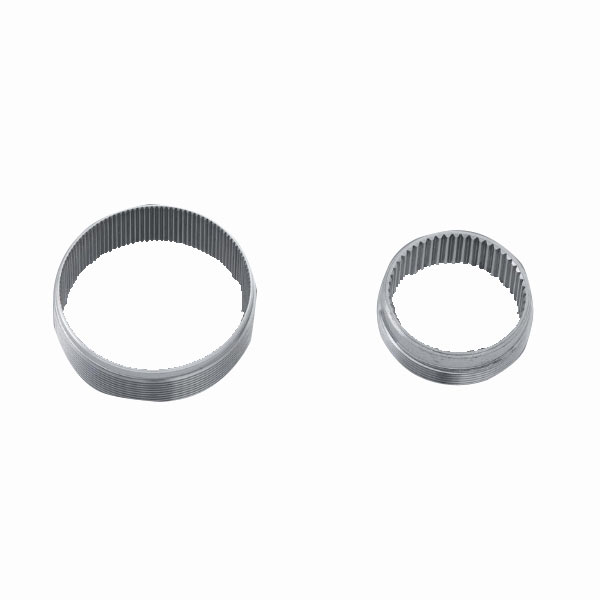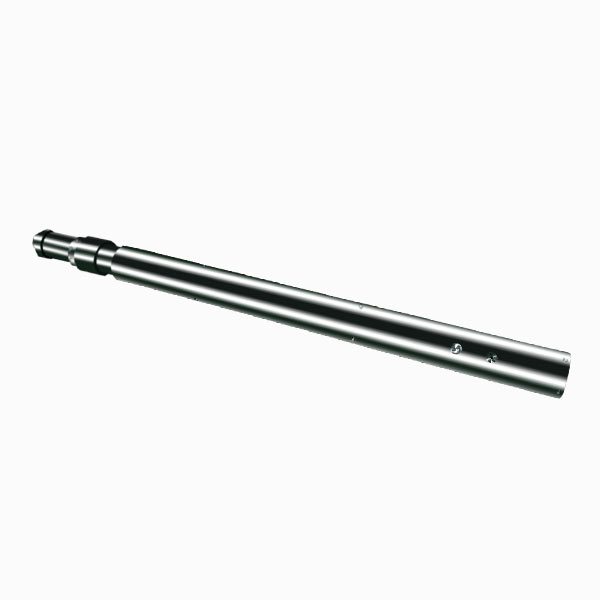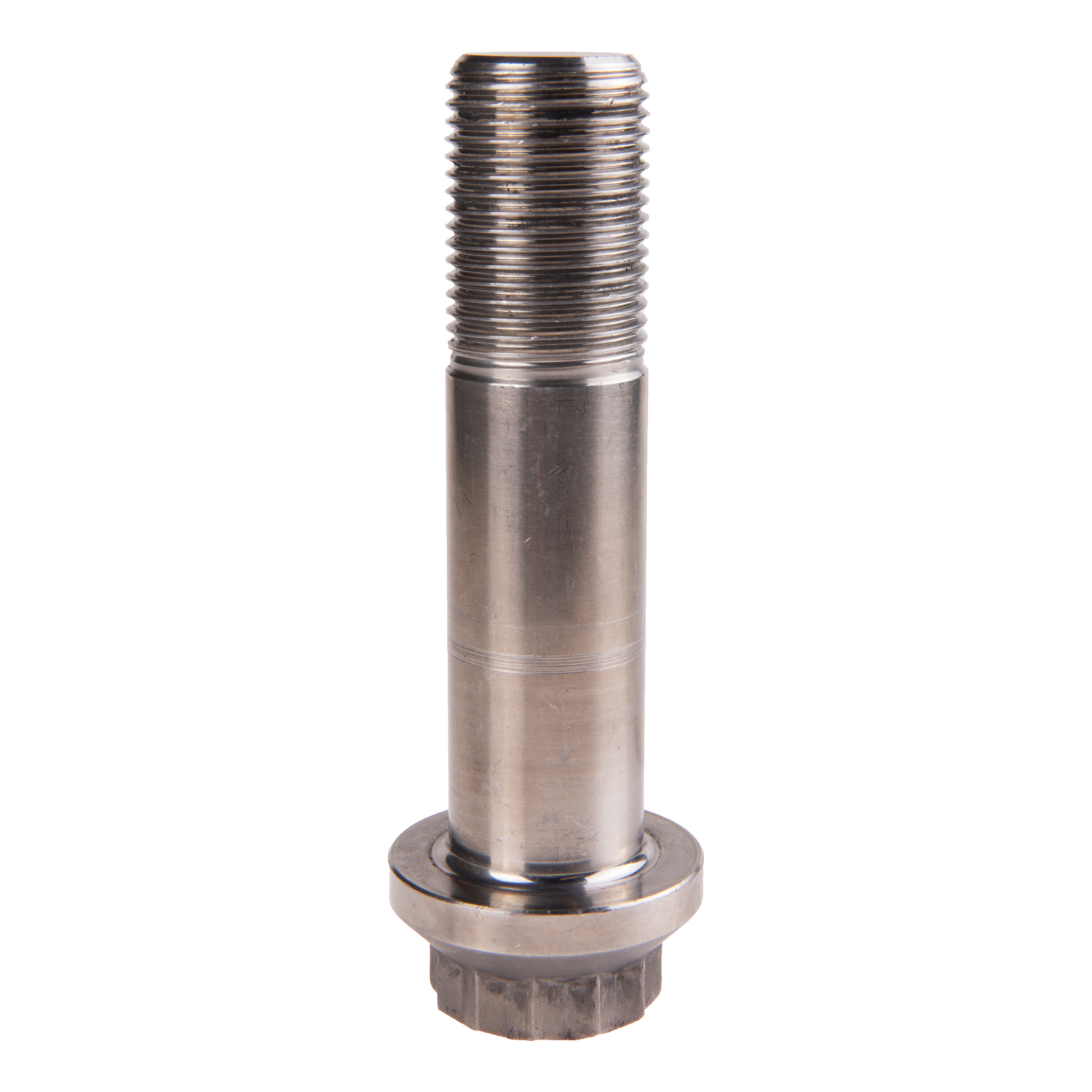
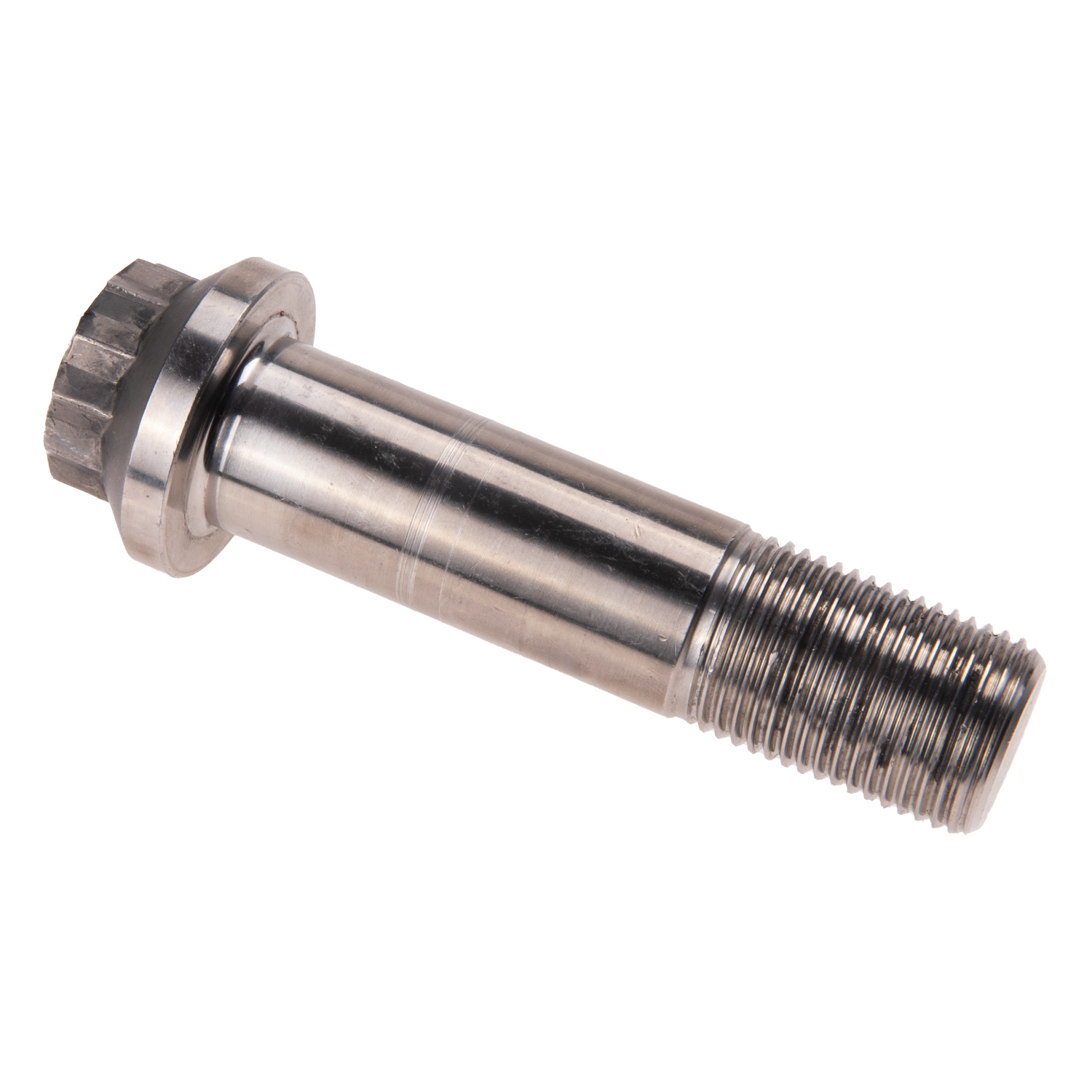
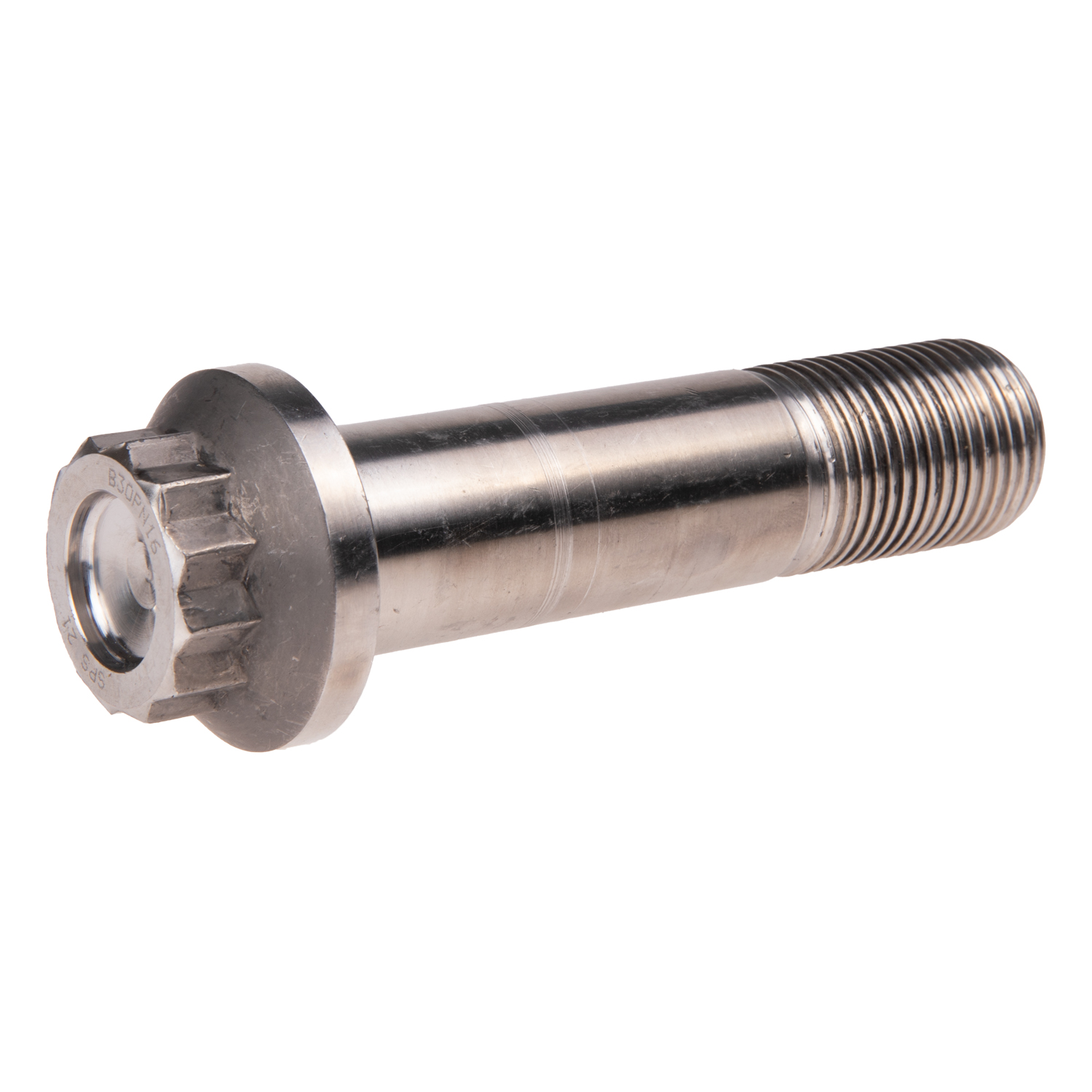
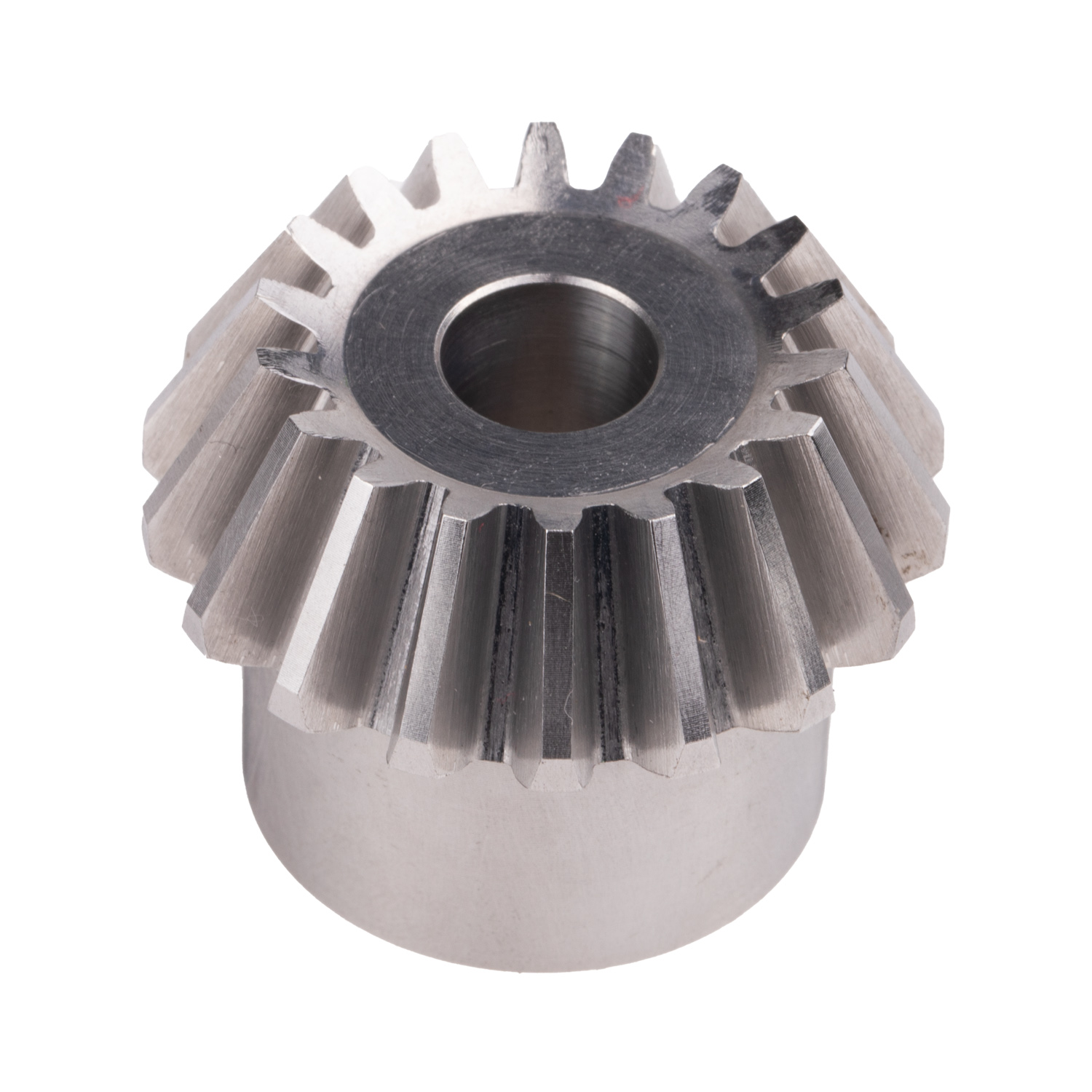
High-Precision Aluminum CNC Turned Parts
OTHER configuration:
Processing: CNC lathing
Material: Aluminum, Copper, Stainless Steel
Dimensions:According to customer’s drawing.
Finish:Anodize,Sandblasting,Heat treatment,polishing,powder coasting,electroplating,spraying,painting,silkscreen etc.
Tolerance:can reach to ±0.002mm
Quality control:100% inspected
Product Description
product size chart or static pressure:
Product Specfications
Our precision Aluminum CNC turned parts represent the pinnacle of modern manufacturing excellence. Machined from high-grade aluminum alloys (such as 6061, 7075, and 2024) using state-of-the-art CNC lathes, these components are renowned for their exceptional light weight, high strength-to-weight ratio, and superior surface quality.
Ideal for both complex prototypes and high-volume production runs, we guarantee dimensional accuracy and consistency for every part. These components are critical in industries like aerospace, automotive, robotics, consumer electronics, and medical devices, where reducing weight without sacrificing strength is paramount. We offer a full spectrum of services, from turning and milling to drilling and a variety of surface finishes (including anodizing and bead blasting).
Key Advantages & Benefits
-
Lightweight: Aluminum’s density is about one-third that of steel, making it the premier choice for reducing overall equipment weight, significantly improving energy efficiency and dynamic performance.
-
Excellent Strength-to-Weight Ratio: Certain aluminum alloys (e.g., 7075) can achieve strength levels close to mild steel after heat treatment, but at a fraction of the weight.
-
Good Corrosion Resistance: Aluminum naturally forms a protective oxide layer, offering inherent corrosion protection. Surface treatments like anodizing can dramatically enhance this resistance, along with improving wear resistance and aesthetics.
-
Superior Machinability: Aluminum is relatively soft, allowing for high-speed machining and complex geometries. This results in excellent surface finishes, tight tolerances, reduced cycle times, and lower tooling costs.
-
High Thermal & Electrical Conductivity: An excellent material for heat sinks, enclosures, and conductive components in electronic applications.
-
Sustainability & Recyclability: Aluminum is 100% recyclable, supporting sustainable and environmentally conscious manufacturing practices.
Product Specification Comparison Table
| Specification | Aluminum 6061 | Aluminum 7075 | Stainless Steel 304 (For Reference) |
|---|---|---|---|
| Common Applications | General structures, housings, fixtures, automotive parts | Aerospace frames, high-stress structural components, sporting goods | Fasteners, kitchenware, chemical equipment, medical parts |
| Density (g/cm³) | 2.7 | 2.81 | 8.0 |
| Tensile Strength (MPa) | 124 – 290 (Heat-Treatable) | 228 – 572 (Heat-Treatable) | 505 – 860 |
| Yield Strength (MPa) | 55 – 240 (Heat-Treatable) | 103 – 503 (Heat-Treatable) | 190 – 310 |
| Corrosion Resistance | Good (Excellent with Anodizing) | Good (Excellent with Anodizing) | Excellent |
| Machinability | Excellent | Good | Fair (Gummy, work-hardens) |
| Thermal Conductivity (W/m-K) | 167 | 130 | 16.2 |
| Relative Cost | Medium | High | Medium |
| Key Advantages | All-around performance, good corrosion resistance, weldable | Very High Strength, exceptional strength-to-weight ratio | Exceptional Corrosion Resistance, high strength, hygienic |
| Surface Finishes | Anodizing, Bead Blasting, Plating, Painting | Anodizing, Chemical Film | Passivation, Electroplating, Electropolishing |
Summary: The core advantages of aluminum CNC turned parts over stainless steel are light weight, faster machining speeds, and superior thermal/electrical conductivity. Material selection involves balancing strength, weight, corrosion resistance, cost, and machinability based on the specific application requirements.